mere.dev / electronics hardware design
Software was cute.
Hardware is the new frontier.
The era of "move fast and break things" broke everything. We traded reliability for convenience, and now we pay for it in monthly installments. Software was the playground; hardware is the fort. Build subscription-proof solutions to real problems.
Stop asking permission from a licensing server to run your own tools. If you bought it, you own it. Down to the last gate. We build tools that don't need a "heartbeat" to a data center in Virginia just to function. Build subscription proof solutions to real problems.
The Problem
Avoid the "1B lines of code" security nightmare. Modern stacks are just vulnerabilities held together by YAML. Every dependency is a backdoor. We strip the bloat. We don't need an OS to do a micro-controller's job.
Terms of service that can't be updated every 5 minutes. Your agreement with your tools should be physical, not digital. No "mandatory updates" that change the UI or revoke features you paid for. The specs you buy are the specs you keep. Hardware that can't be hacked. Air-gapped by design. Silicon-level security. We move the "attack surface" from a global network to a physical room. If they want the data, they have to walk through the door. With America reshoring critical infra, the future is hardware. The supply chain is coming home. You can't secure a nation on un-auditable blobs from three continents away. We are building the sovereign stack for the new industrial reality.
A Case Study
The Problem: Medical Room "Innovation"
The Silicon Valley approach: Enshittification as a Service.
Look at this current "state-of-the-art" medical interface backed by DARPA(for real). It’s a case study in over-engineered fragility:
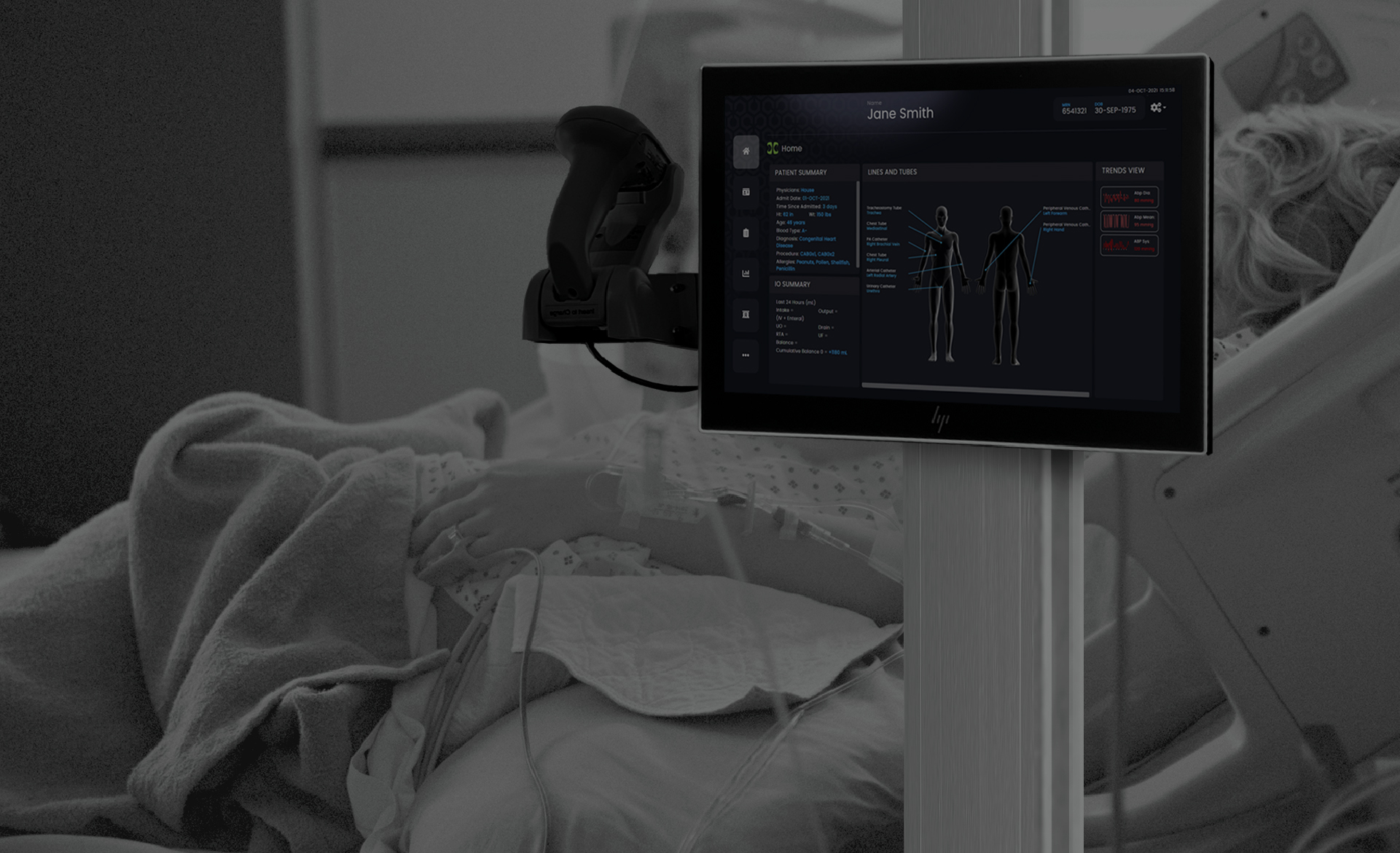
- The Hardware:
- A $5,000 HP/Dell "All-in-One" that’s just a consumer PC but in a metal shell.
- The Surveillance:
- Mandatory Windows AI scraping every patient metric because "telemetry" is more important than privacy.
- The Bridge:
- A $5,000 "medical grade" RS232-to-Ethernet adapter. A literal $20 chip marked up 250x to bridge a fluid pump to a network that shouldn't be there.
- The Bloat:
- $2.5M in proprietary drivers and C++ spaghetti. 2.5 billion lines of code. A haystack made entirely of needles.
- The Stack:
- A local NodeJS server streaming vitals over antiquated DDS protocols what panic on WiFi, all shoved into a Docker container. A web-tech UI wrapped in another container with unknown supply chains.
- The Risk:
- "Over-the-air" software updates with no opt-out. Imagine a forced reboot during a bypass surgery because the UI needs a new "Live Tiles" update.
- The Drama:
- Single point of failure. If 1 thing goes, everything goes. And that 1 thing is running microsoft AI
The Real Solution: Simplicity
The best component is the one you don't need.
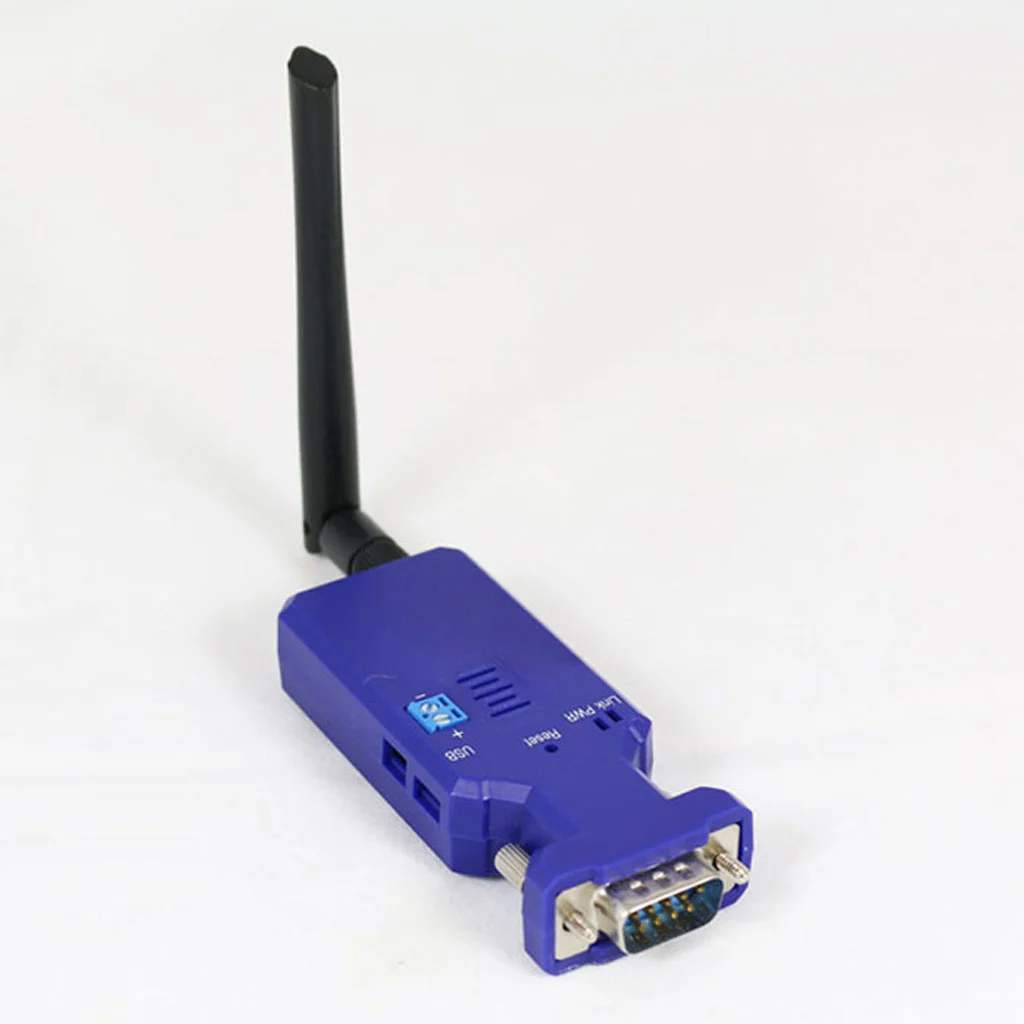
No containers. No scraping. No nonsense.
- The Core
- Direct-mounted ESP32 dongle. Cost: $87.
- The Trust:
- Secured via x.509 certificates. Hard-coded identity.
- The Speed:
- Nanosecond latency. Built on a modern Zenoh/NATS backbone.
- The Result:
- It works. No software updates. No outages. It does one thing, perfectly, forever. Done.
- The Drama:
- Doesn't exist. Even if you dropped a sledgehammer on it, the system would keep working.
What I Build
Purpose-built hardware for real constraints.
General-purpose dev boards are fine for prototypes. Production hardware needs to be smaller, cheaper, more reliable, and exactly fitted to the problem. I design boards that earn their place in the BOM.
PCB Design
Schematic capture, layout, and design for manufacture. From single-layer hobby boards to multilayer high-speed designs. I work in KiCad and design for real-world fab tolerances, not just simulator success.
Embedded Firmware
C and Rust firmware for microcontrollers. RTOS, bare metal, and everything in between. I write firmware that handles the edge cases the datasheet doesn't warn you about.
Real-Time Control Systems
Motor drives, closed-loop control, sensor fusion. Systems where timing actually matters and soft failures cost money. I design for determinism, not just average-case performance.
Prototype to Production
I take designs through the full arc: proof of concept, bringup, iteration, and handoff to contract manufacturing. I know where designs fail in production and design to avoid those failure modes from the start.
How I Work
The constraints are the design.
Most hardware problems aren't electronics problems, they're systems problems that someone decided to solve in hardware. I spend time understanding the constraint before picking a topology.
I don't upsell complexity. If a $2 microcontroller and a handful of passives solves your problem, that's the design. If your application genuinely needs a high-density multilayer board with tight impedance control, we can do that too, but you'll understand why before we start.
The best component is the one you don't need.
Get In Touch
Have hardware that needs building?
Whether you're at napkin-sketch or stuck mid-prototype, let's talk about what it would take to get it to manufacturable.